
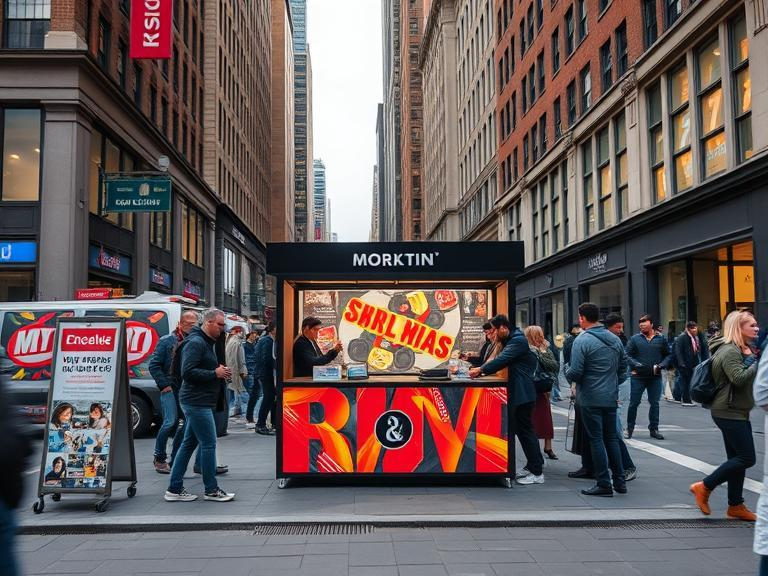
In today’s fast-paced marketplace, consumers expect more than just a product or service. They want memorable interactions that leave a lasting impression. This is where experiential marketing shines. By placing people at the heart of campaigns, it turns passive audiences into active participants. For brands in the US seeking to stand out, experiential marketing has quickly become one of the most powerful strategies for brand activations.
The Shift from Traditional Marketing to Experience-Driven Campaigns
Traditional advertising often relies on pushing messages across billboards, television, and digital ads. While these methods can still be effective, they rarely create a deep emotional bond. Experiential marketing, however, is designed to immerse people in a brand’s story. Whether it’s a pop-up event, an interactive installation, or a live product demo, these experiences invite consumers to connect in real time. That emotional connection is what makes brand activations so successful in today’s competitive landscape.
Across the US, companies are increasingly moving their budgets toward experiential campaigns because they provide something money can’t buy: authentic engagement. This shift has led to a surge in demand for experiential marketing companies that specialize in creating interactive, memorable moments tailored to a brand’s audience.
Why Experiential Marketing Works So Well
The strength of experiential marketing lies in its ability to merge entertainment, education, and emotion. When people experience a brand through all their senses, they remember it far longer than a digital ad or a static social media post. This kind of marketing transforms curiosity into loyalty, helping brands build communities rather than just customer lists.
Another key advantage is shareability. People attending these events often capture and share their experiences on social media, creating a ripple effect that extends the campaign’s reach. A single, well-executed activation can generate thousands of organic impressions online. It is this blend of personal connection and digital amplification that makes experiential campaigns so effective for brand activations.
The Role of Experiential Marketing Companies in the US
Creating memorable experiences requires more than just a good idea. It takes strategic planning, creativity, and flawless execution. That’s why many brands partner with experiential marketing companies to bring their visions to life. These experts understand how to align activations with brand values, manage logistics, and measure impact.
In the US, the best agencies go beyond one-off events and design campaigns that become part of the consumer’s lifestyle. They create touchpoints that are not only exciting in the moment but also continue to resonate afterward. This is where experiential marketing companies add real value, transforming campaigns into long-term brand equity.
Experiential Marketing as the Future of Brand Growth
Looking ahead, experiential marketing is set to become an even bigger driver of brand growth in the US. Consumers, especially younger generations, crave authenticity and emotional resonance. They want brands that invite them to participate, not just observe.
For businesses, this means that brand activations will no longer be optional; they will be essential for staying relevant. The most successful companies will be those that invest in creativity, collaboration, and meaningful experiences.
Conclusion
Experiential marketing is more than a trend—it’s a movement that is reshaping the way brands connect with people. By blending creativity with strategy, it transforms audiences into advocates. For companies in the US, this approach offers an unmatched opportunity to cut through the noise, create loyalty, and grow in meaningful ways.
When executed well, experiential marketing doesn’t just activate a brand—it brings it to life.