
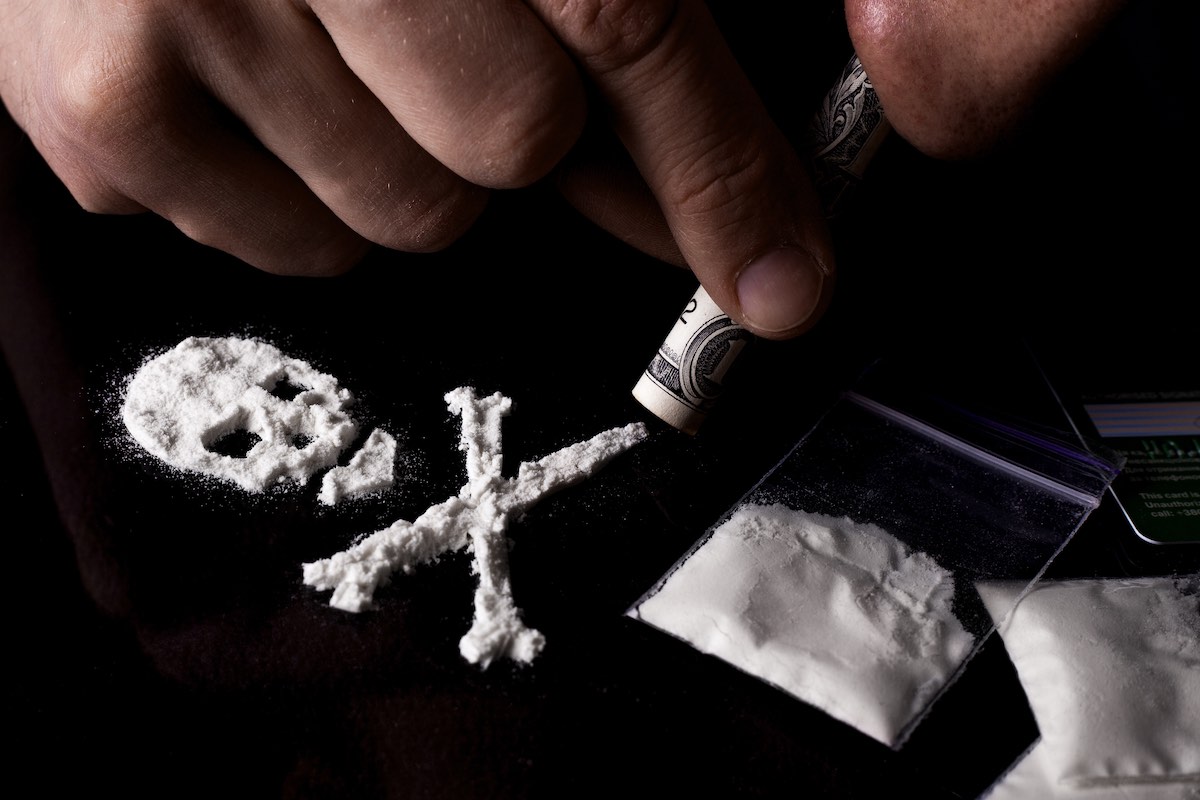
Cocaine’s intense stimulation can lead to a dangerous cycle of short-lived highs and crashing lows. Over time, this pattern undermines mental clarity, emotional stability, and physical health. Breaking free begins with compassionate, individualized care, where healing is supported across mind, body, and community.
A Personalized Path Through Recovery
Effective recovery from cocaine addiction starts with a comprehensive evaluation—considering psychological, medical, and social needs—to design a customized roadmap for healing. Treatment options can vary based on individual readiness and life circumstances:
Inpatient or residential care offers a structured, supportive environment that helps individuals focus fully on recovery, especially in early stages.
Outpatient formats, including intensive programs (IOP) and partial hospitalization, support recovery alongside daily responsibilities—ideal for those transitioning back home or maintaining work and family commitments.
Medication-assisted treatments (MAT), though no FDA-approved drug specifically targets cocaine dependence, may help manage withdrawal symptoms and cravings, paired with behavioral support.
This layered approach ensures that each step aligns with the individual’s progress, providing flexibility and sustained support throughout the journey.
Behaviorally Driven Therapies and Holistic Care
Cocaine treatment thrives on evidence-based, behavioral interventions. Techniques such as Cognitive Behavioral Therapy (CBT), Motivational Interviewing, and Contingency Management help patients recognize triggers, reshape thought patterns, and reinforce positive, recovery-oriented behaviors. Community-based reinforcement—through supportive peer networks and skill-building activities—strengthens resilience and long-term wellness.
Other integrative elements, like mindfulness, emotional regulation training, and family therapy, enrich clinical care by nurturing emotional balance, connection, and enduring support.
Continuing the Journey: Aftercare and Lasting Support
Healing doesn’t end with the final therapy session. Long-term recovery flourishes through structured aftercare—relapse prevention planning, alumni groups, family support, and ongoing counseling. These resources build a safety net, grounding individuals in support and empowering them to navigate life’s challenges with confidence.
Connecting Dallas to Hope: Local Rehab Options
While the model above demonstrates a comprehensive approach, that level of care is also available closer to home. Dallas Drug Rehab centers offer similarly robust pathways—combining detox, structured inpatient and outpatient therapy, and tailored aftercare. These programs meet individuals where they are, ensuring recovery is attainable without leaving the region.
For individuals struggling with alcohol dependency, Dallas alcohol rehab facilities deliver equally compassionate, evidence-based support. These programs often share the same foundations—individual assessments, flexible treatment levels, behavioral therapies, and ongoing community support—crafted with sensitivity to each person’s journey.
The Essence of Healing: A Balanced, Personalized Approach
Recovery from cocaine addiction is deeply personal and multifaceted. It requires clinical expertise aligned with empathy—structured therapy wrapped in human connection and tailored to unique needs. When guided by these principles, the path toward sobriety transforms into a journey of empowerment, growth, and renewal.
Whether on a ranch-style retreat or supported by trusted Dallas Drug Rehab or Dallas alcohol rehab programs, the key lies in choosing treatment that honors individuality and sustains long-term wellness. With the right care, recovery becomes not just possible—but profoundly transformative.