
You might be doing many of the right things already. You brush, you try to floss more often, and you tell yourself you will schedule that visit soon. Still, it is easy to wonder if a professional cleaning really matters when your teeth seem fine. That uncertainty is common, especially when life is busy and dental care slips down the list. Some people also ask about clear aligners in Woburn while thinking more broadly about their oral health needs.
But small problems in your mouth rarely stay small for long. Plaque hardens into tartar, gums get irritated, and what felt easy to put off can turn into discomfort, expense, and avoidable treatment. The short version is simple. Why Dental Cleanings Are A Cornerstone Of General Dentistry comes down to prevention. Regular cleanings help stop decay, support gum health, and give your dentist a chance to catch concerns early, before they become harder to fix.
Why can skipping regular dental cleanings turn into bigger problems?
At first, missing one cleaning may not seem like a big deal. You may not feel pain, and your smile may look the same in the mirror. Because of that, it is easy to assume home care is enough. The problem is that plaque can collect in places your toothbrush does not fully reach, and once it hardens into tartar, it cannot be brushed away at home.
That buildup creates the right conditions for cavities and gum irritation. If gums stay inflamed, they can begin to pull away from the teeth, creating pockets where bacteria thrive. According to the CDC’s information on gum disease, periodontal disease can damage the tissues and bone that support your teeth. So, where does that leave you? Often with treatment that is more involved than a routine cleaning would have been.
This is one reason preventive dental cleanings matter so much in general, cosmetic, and restorative dentistry. Cleanings do not just polish teeth. They help protect the foundation that cosmetic work and restorative care depend on. A bright smile means less if the gums underneath are unhealthy.
What do professional teeth cleanings actually do that brushing at home cannot?
Home care is essential, but it has limits. Brushing twice a day and cleaning between your teeth can reduce plaque, freshen breath, and lower your risk of decay. The National Institute of Dental and Craniofacial Research offers helpful oral hygiene guidance that supports these everyday habits. Still, even strong habits do not remove tartar once it forms.
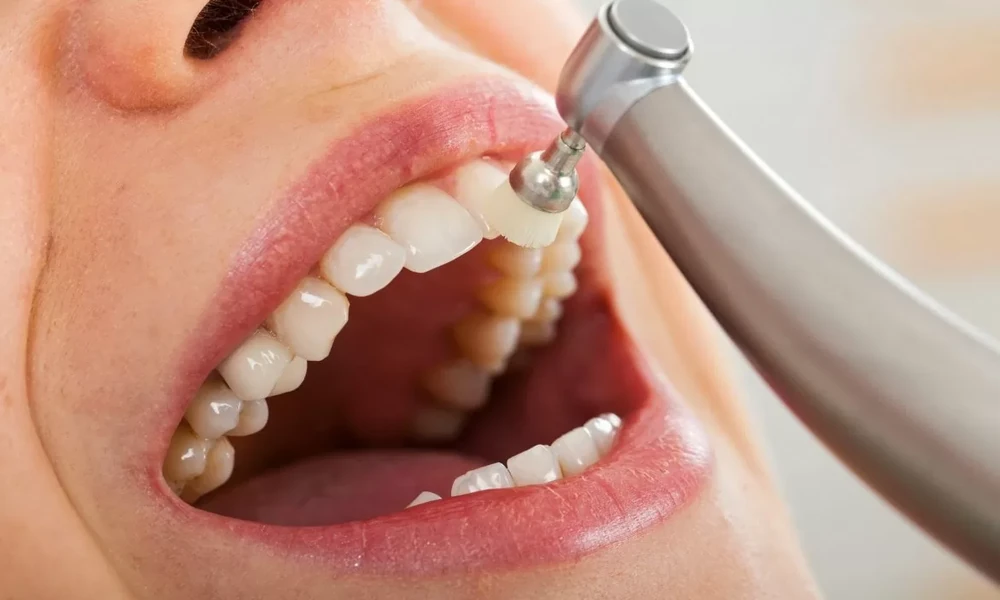
That is where professional teeth cleaning comes in. During a cleaning, hardened deposits are removed, surfaces are polished, and your gums are checked for signs of trouble. Your dentist may also spot early decay, worn fillings, grinding, dry mouth, or changes in soft tissue that you may not notice yourself.
Think about a common situation. You skip cleanings for a couple of years because nothing hurts. Then one day you notice bleeding when you brush, or sensitivity when you drink something cold. By then, what could have been managed with a simple cleaning and better home care may require deeper treatment. That shift is frustrating, and often more costly than people expect.
How do dental cleanings support both your health and your budget?
Many people think of dental cleanings as optional maintenance. In reality, they are one of the most cost conscious parts of general dentistry. Catching plaque buildup, early cavities, or gum inflammation before they progress usually means simpler care, less chair time, and fewer surprises.
There is also the comfort factor. A routine cleaning is usually far easier than treatment for advanced decay or gum disease. And if you have crowns, fillings, veneers, or implants, regular cleanings help protect that investment. Restorative and cosmetic work lasts best when the surrounding teeth and gums stay healthy.
| Situation | At Home Care Only | Regular Professional Cleanings |
|---|---|---|
| Plaque control | Helps reduce soft plaque | Removes plaque and tartar buildup |
| Gum health | May miss early irritation | Allows early detection of gum problems |
| Cavity risk | Lowered with good habits, but not eliminated | Early signs can be found before they worsen |
| Long term cost | Can lead to delayed, more expensive care | Often helps reduce major treatment needs |
| Overall dental support | Limited to what you can see and feel | Includes professional evaluation and prevention |
If you are wondering how often to go, that answer depends on your needs. Some people do well with visits every six months, while others with gum issues, dry mouth, or a history of decay may need more frequent care. MedlinePlus explains why regular dental visits matter, especially for preventing issues before they become serious.
What can you do right now to protect your teeth and gums?
1. Take stock of what your mouth has been telling you.
Bleeding when you floss, bad breath that lingers, tooth sensitivity, or gums that look swollen are worth paying attention to. These signs do not always mean something severe, but they do mean your mouth may need more support than a toothbrush alone can provide.
2. Build a simple home routine you can keep.
Consistency matters more than perfection. Brush twice a day with fluoride toothpaste, clean between your teeth daily, and replace your toothbrush or brush head regularly. If your routine feels rushed or uneven, start with one improvement and make it stick.
3. Schedule cleanings before problems force the issue.
It is much easier to walk into a visit for prevention than to rush in because something hurts. Regular cleanings give you a chance to stay ahead of decay, gum disease, and damage to existing dental work. That kind of steady care is one of the clearest signs of good dental health management.
When you want a healthier smile, where should you begin?
You do not need to wait for pain to take your oral health seriously. In many cases, the smartest step is also the simplest one. A routine cleaning can help protect your teeth, your gums, and the dental work you may need now or later. That is why dental cleanings remain such a central part of general, cosmetic, and restorative dentistry.
If it has been a while since your last visit, that does not mean you failed. It just means now is a good time to start again. Schedule your next cleaning and give your smile the steady care it deserves.