
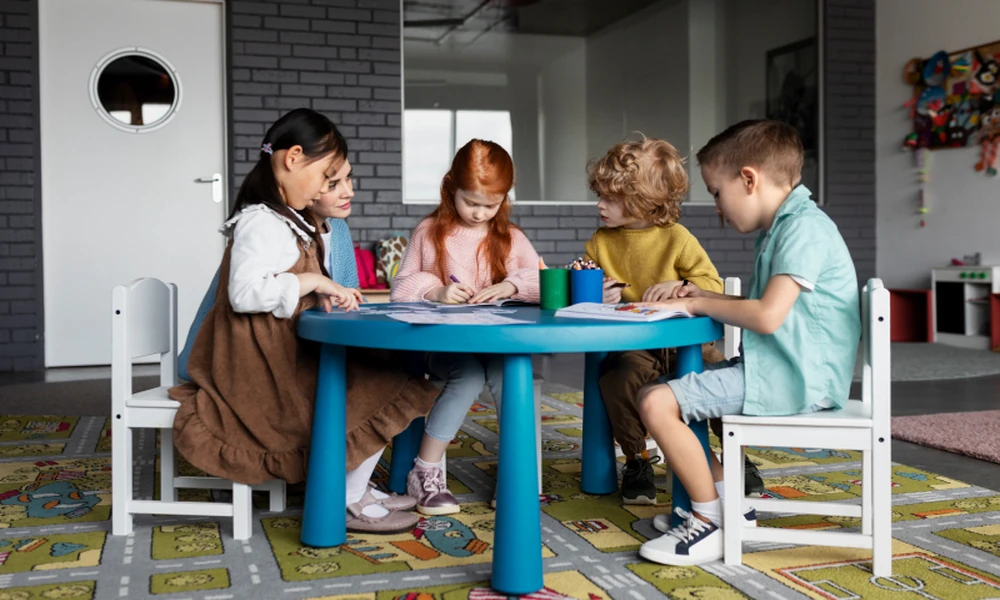
Key Highlights
- Every family prioritises different educational philosophies and developmental focuses.
- Proximity and daily routine play significant roles in the selection process.
- The best environment is one that aligns with your child’s temperament and learning style.
- Transparency and communication between teachers and parents are vital indicators of quality.
Introduction
The search for early childhood education is often one of the first major decisions parents face. While the term ‘best preschool’ frequently dominates conversations, the reality is that the ideal environment is subjective and deeply personal. What constitutes an exceptional educational setting for one family might not align with the needs or values of another. Navigating this landscape requires understanding that quality is not a one size fits all metric, but rather a reflection of individual family priorities.
Defining Your Priorities
Before narrowing down a list of options, it is helpful to reflect on what your family truly values. Some parents might place a high premium on academic rigour and structured learning, while others may prioritise play based approaches that foster social emotional development and creativity. Recognising these preferences early helps clarify what you are looking for in a nursery school. It is essential to visit potential centres and observe how they handle daily interactions, conflict resolution, and play, as these moments often reveal the true culture of the establishment.
The Role of Logistics and Lifestyle
For many parents, the best preschool in Singapore is also one that seamlessly integrates into their daily routine. Considerations such as the school’s location, operating hours, and proximity to home or the workplace can significantly impact a child’s stress levels and the family’s overall quality of life. A school might offer a world class curriculum, but if the daily commute is overly taxing, it may not be the most sustainable choice for your household. Evaluating the practical aspects of school life is just as important as scrutinising the pedagogical framework.
Matching the School to the Child
Every child possesses a unique temperament and learning style. Some children thrive in high energy, collaborative environments, whereas others find comfort in smaller, quieter settings that allow for more focused exploration. When evaluating a nursery school, consider whether the environment encourages your child to flourish. Does the curriculum adapt to different stages of development? A school that prioritises individual attention ensures that every child receives the support they need, which is a hallmark of the best preschool in Singapore.
Building a Partnership
The relationship between educators and families is a cornerstone of quality early education. A school that maintains open channels of communication demonstrates a commitment to transparency and partnership. When you look for an educational partner, seek out institutions that actively involve parents in the learning journey. This collaborative spirit creates a consistent support system for the child, bridge building between home and the classroom environment in a meaningful way.
Conclusion
Ultimately, the decision rests on finding a balance that supports your child’s growth while respecting your family’s values and logistical realities. There is no single universal ‘best’ option, but rather a range of excellent environments that cater to diverse needs. By focusing on what truly matters to your family, you can make an informed choice that sets a positive foundation for your child’s lifelong learning journey.
Contact us at Raffles Kidz International to discover how our approach can support your child’s unique development and see if we are the right fit for your family.