
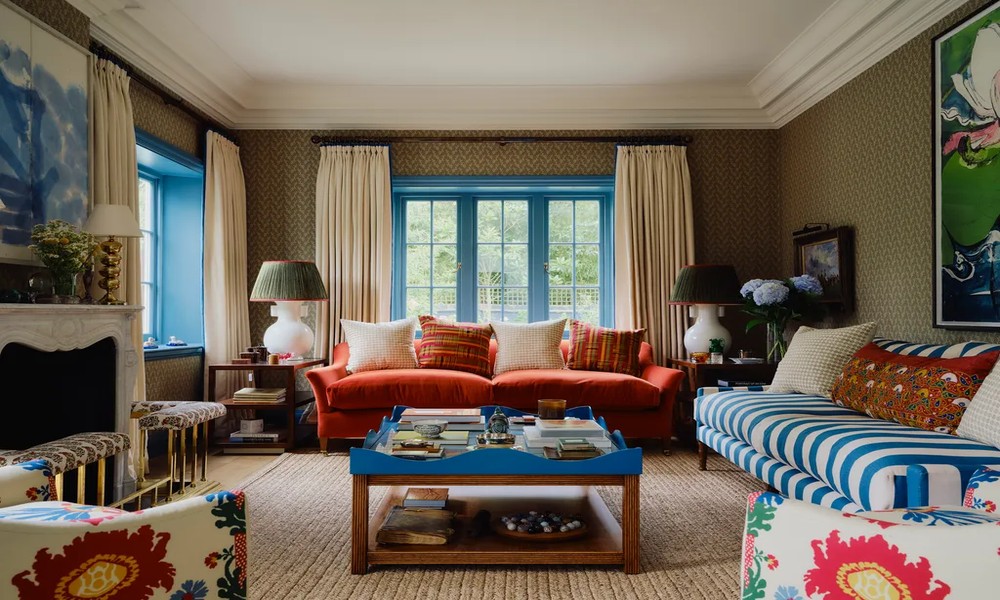
A living space can feel breathtaking at first glance, yet leave its inhabitants disconnected or restless over time. The magic happens when interiors are designed to amplify not only beauty but also the sense of comfort and personal meaning. That process is as much about understanding the myths of interior design as it is about choosing the right paint color or armchair.
Myth #1: Interior Design Is Just About Aesthetics
It is easy to assume that interior design is a visual art reserved primarily for magazine spreads. In reality, the best interiors function as silent partners in our daily routines.
The Role of Functionality in Enhancing Well-Being
A thoughtfully designed space supports rest, productivity, and joy. For example, a clutter-free entryway makes coming home less chaotic. Kitchens with efficient layouts encourage home-cooked meals. When spaces function well, they reduce stress and make daily life smoother.
How Thoughtful Design Supports Daily Comfort and Health
Good design can optimize natural light, improve ventilation, and even support better posture. Details like noise-reducing materials, ergonomic seating, and flexible lighting all contribute to physical well-being. The emotional impact is equally important: calming color palettes and personalized organization can soothe the mind.
Myth #2: Personal Style Means Following Trends
Trends are tempting, but a home designed strictly by what is currently “in” rarely stands the test of time.
Why Timelessness Outweighs Trend-Chasing
While fashionable accents can add freshness, anchoring a room in classic elements (like enduring materials or versatile layouts) ensures longevity. Timeless spaces evolve gracefully, even as trends come and go.
Integrating Personal History and Preferences into Design
The most inviting interiors tell a story. Family heirlooms, travel finds, or art collected over the years bring warmth and authenticity. Instead of chasing trends, successful designers weave a client’s memories, tastes, and aspirations into the fabric of the space.
Myth #3: Luxury Design Is Only for the Wealthy
Luxury often gets confused with extravagance. In reality, luxury is about enjoying comfort, quality, and beauty in everyday life, regardless of budget.
How Luxury Can Be Defined Beyond Price Tags
Luxury might mean custom cabinetry tailored to your needs or a carefully curated reading nook. It is about thoughtful decisions that reflect your values and routines, not just a high price point.
Achieving High-End Feel Through Smart Choices and Planning
Strategic investments can elevate a space: quality over quantity, distinctive statement pieces, and layers of texture. Even smaller updates, like new lighting or updated hardware, can transform how a room feels, creating a sense of retreat and indulgence.
Myth #4: Well-Being Comes Only from Expensive Materials
It is a common misconception that well-being in interiors is reserved for those who can afford high-end finishes.
The Impact of Natural Light, Colors, and Layouts on Mood
Elements such as sunlight, fresh air, and intuitive furniture placement have outsized effects on how a space feels. Soft, nature-inspired colors can promote relaxation, while open layouts encourage easier interaction between family and friends.
Affordable Ways to Create a Healing, Relaxing Environment
Simple touches, like houseplants, well-placed mirrors, and decluttered surfaces, can dramatically shift the atmosphere. Prioritizing sensory experiences, like soft textiles underfoot or gentle lighting, creates a restorative ambiance without a luxury price tag.
Myth #5: Home Renovations Are Chaotic and Stressful
Renovations have a reputation for being overwhelming, but they do not have to be.
The Importance of a Seamless, Client-Focused Process
A genuinely client-centered process demystifies each step, from the first meeting to the final reveal. The initial consultation is where vision and expectations are aligned, and thoughtful planning prevents costly surprises later on.
How Professional Coordination Saves Time and Reduces Anxiety
Working with a professional team, like VPG Design, streamlines everything. Their approach is to coordinate every aspect, budgeting, sourcing, scheduling, so that clients can enjoy the transformation, not dread it. Clear communication and meticulous oversight turn what might feel chaotic into a smooth, rewarding experience.
Myth #6: Interior Designers Just Pick Furniture
Some imagine designers simply select sofas or throw pillows, but their work goes far deeper.
The Comprehensive Role Designers Play From Concept to Execution
Designers start with in-depth consultations to understand personal needs and preferences. They create layouts, specify lighting, coordinate with builders, and ensure every detail meets both aesthetic and practical goals. Their involvement ensures a harmonious, functional outcome.
Crafting Spaces That Reflect Individuality and Lifestyle
By considering how clients live, from morning routines to entertaining guests, designers craft spaces that do more than look good; they genuinely support the client’s life.
Myth #7: Final Styling Is an Afterthought
The finishing touches are not just an add-on, they are the crescendo of the design process.
How Curated Décor and Art Define Space Personality
The right mix of art, textiles, and objects infuses a space with character. Sourcing unique pieces or custom furnishings ensures the environment feels one-of-a-kind and deeply personal.
Balancing Practicality with Visual Impact for Lasting Satisfaction
The most satisfying homes honor both beauty and everyday needs. By blending décor that delights the eye with elements that support comfort and function, interiors can elevate well-being while telling a story that is unmistakably yours.