
Custom manufacturing has evolved into a discipline where accuracy, creativity, and engineering intelligence work together to produce components that meet exact needs. At the center of this evolution is custom sheet metal fabrication, a process that transforms flat metal sheets into precise, functional parts used across industries. Whether supporting architectural builds, industrial equipment, or specialized machinery, fabrication is not simply about shaping metal. It is about turning ideas into reliable physical forms that perform under real-world conditions.
The journey from concept to finished piece involves more than machines and tools. It requires thoughtful planning, material understanding, and collaboration between designers and fabricators. Each step adds refinement, ensuring that the final result is both structurally sound and purpose-driven. This balance between design vision and technical execution is what makes fabrication such a vital component of modern production.
The Foundation of Design and Planning
Every successful fabrication project begins with a clear concept. Designers and engineers evaluate the intended function of the component, environmental demands, and structural requirements. Early planning determines material choice, thickness, tolerances, and finishing methods. These decisions influence not only performance but also manufacturability and long-term durability.
Digital modeling tools play a major role during this stage. Computer-aided design allows teams to visualize dimensions, anticipate stress points, and refine geometry before any metal is cut. This reduces waste and shortens development cycles while improving accuracy. When design intent aligns with fabrication capabilities, the workflow becomes smoother and more efficient.
Material selection is equally critical. Different metals offer unique strengths, corrosion resistance, and flexibility. Aluminum may be favored for lightweight applications, while stainless steel delivers resilience in demanding environments. Understanding how each material behaves under bending, cutting, and welding ensures predictable outcomes. Planning is not just a preliminary phase; it sets the technical foundation that guides the entire fabrication journey.
Transforming Raw Material into Precision Components
Once planning is complete, production begins with cutting and forming processes that shape raw sheets into defined parts. Modern fabrication environments use advanced machinery to maintain tight tolerances and repeatability. Laser cutting, punching, and shearing provide clean edges and consistent geometry, forming the structural basis of each component.
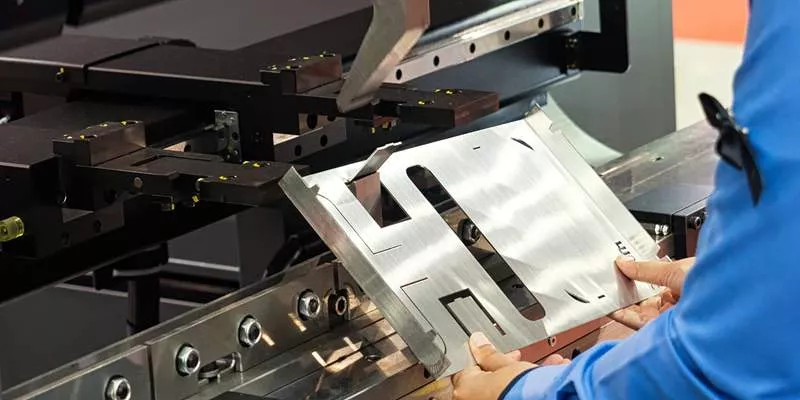
Bending operations follow, where press brakes shape metal into three-dimensional forms. Precision here is essential because even minor deviations can affect assembly or performance. Skilled operators and calibrated equipment work together to achieve uniform angles and dimensions. This is where engineering theory meets hands-on craftsmanship.
Joining techniques such as welding or fastening complete the transformation. Each joint must maintain structural integrity while preserving the intended design. Attention to heat control, alignment, and finishing ensures the piece performs as expected. During this stage, custom sheet metal fabrication becomes a blend of technical discipline and artisan skill, producing components that meet demanding standards.
Quality Control and Finishing Touches
After forming and assembly, inspection ensures the piece meets all specifications. Measurements, visual checks, and functional testing confirm dimensional accuracy and structural reliability. This phase protects both performance and reputation, ensuring that every fabricated element meets its intended purpose.
Surface finishing adds durability and visual appeal. Treatments like powder coating, polishing, or protective plating enhance corrosion resistance while improving aesthetics. These finishing processes are not purely cosmetic; they extend service life and contribute to consistent performance in challenging environments.
Collaboration, Innovation, and Real-World Application
Fabrication thrives on collaboration. Designers, engineers, and production specialists communicate continuously to refine methods and solve challenges. Feedback loops allow adjustments that improve manufacturability without sacrificing design intent. This teamwork ensures that innovation remains grounded in practicality.
Modern fabrication facilities increasingly integrate automation and smart technologies. Robotics, digital measurement tools, and process monitoring systems elevate consistency and efficiency. These advancements allow fabricators to handle complex geometries and tighter tolerances, expanding what is possible in industrial design.
Real-world applications demonstrate the versatility of custom sheet metal fabrication. Architectural elements require both structural integrity and aesthetic precision. Industrial equipment demands components capable of withstanding vibration, load, and environmental stress. Consumer-facing products rely on clean finishes and repeatable quality. Across all these uses, fabrication provides adaptable solutions tailored to exact needs.
Sustainability also plays a growing role. Efficient nesting of parts minimizes material waste, while recyclable metals support environmentally conscious production. Fabricators continually refine processes to balance performance with responsible resource use. This approach aligns with broader industry goals of reducing environmental impact while maintaining high standards.
As industries continue to evolve, the role of fabrication expands alongside them. New materials, hybrid manufacturing techniques, and digital integration open pathways for faster development and greater customization. Engineers and fabricators explore innovative methods to deliver stronger, lighter, and more efficient components. This forward momentum reflects how fabrication is not static but constantly adapting to meet emerging demands.
The transformation from idea to finished component reflects a carefully orchestrated process. Each phase builds on the last, combining engineering precision with practical expertise. Through thoughtful planning, advanced tooling, and collaborative problem-solving, custom sheet metal fabrication turns raw material into purpose-built solutions. The result is not just a shaped piece of metal, but a component engineered to perform reliably in the environments it serves.
Understanding this journey reveals the depth behind every fabricated part. What appears simple on the surface is the outcome of deliberate design, technical mastery, and continuous refinement. From concept sketches to final inspection, fabrication represents a disciplined craft that bridges imagination and function. In a world driven by innovation and precision, custom sheet metal fabrication continues to shape the structures, systems, and products that define modern manufacturing.