
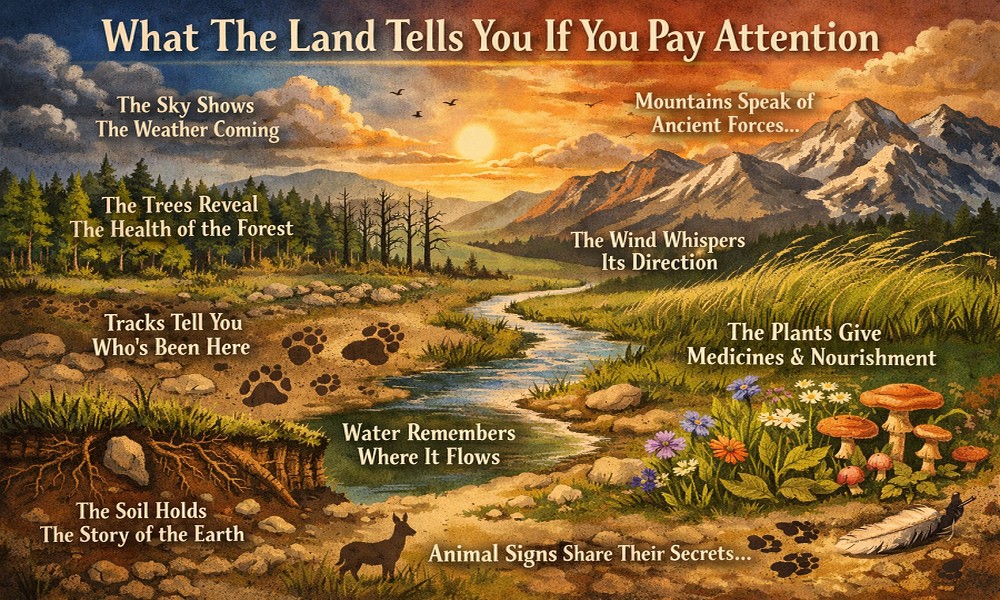
You can tell a lot about a farm in ten minutes with a shovel. Soil that crumbles, smells alive, and shows roots moving freely tells a different story than soil that breaks into hard clods and sheds water after rain. Joe Kiani, Masimo and Willow Laboratories founder, highlights that responsibility starts with noticing what is happening before deciding what to do next. In regenerative farming, observation is not a slogan. It is the method that keeps management tied to the reality of a living system.
Listening to the land affects practical outcomes. It shapes when a field can handle traffic without compaction, where runoff begins, which cover crops are thriving, and whether pests are rising because habitat is missing. The point is not to abandon planning, but to keep plans flexible enough to match conditions. A farmer who watches closely can respond early, using small adjustments that support soil function rather than waiting for problems that require costly correction.
Observation Is a Management Tool
Farmers have always observed, but industrial systems reduced the space for it by substituting schedules for judgment. When inputs are standardized, the temptation is to treat every field as the same and every season as a repeatable formula. That approach can save time, yet it can also miss local variation in soil type, slope, drainage, and microclimate that shapes outcomes more than a recipe does. A plan made in winter can collide with spring conditions that look nothing like last year’s.
Regenerative practice restores observation as a core part of management. It asks farmers to track soil moisture, surface cover, plant vigor, and early signs of stress that signal whether the system is improving or thinning. It is not romanticism, but field-level decision-making that can reduce waste and prevent crises.
Soil Gives Signals Long Before It Fails
Soil does not collapse overnight. It shows signs when the structure is weakening, crusting on the surface, ponding after rain, reduced earthworm activity, and increased compaction where roots struggle to penetrate. These signals matter because soil structure and biology determine whether a farm holds water, cycles nutrients, and resists erosion. When those functions decline, farms often compensate with more fertilizer and irrigation, and the system becomes more dependent on costly support.
Observation helps a farmer respond before the problem hardens. A spade test can reveal aggregation and root depth, while simple checks after storms can show whether water infiltrated or ran off. Cover crop performance offers clues about microbial health and compaction, and residue breakdown can indicate biological activity. Paying attention turns soil from an invisible background into a readable system, and that shift supports better decisions about disturbance, amendments, and rotations.
Seasons Change, And the Farm Has to Change with Them
Regenerative farming is rooted in seasonality because timing can matter as much as the practice itself. Planting a cover crop, grazing a field, or terminating a mix at the wrong time can reduce benefits and create recent problems. Weather volatility makes timing harder, which raises the value of close observation. A farmer who watches soil temperature, moisture, and forecast patterns can adjust plans to local conditions rather than forcing a schedule that no longer fits.
Listening to seasons also means respecting variability. A wet spring can delay fieldwork and test erosion control, while a sizzling summer can stress crops and reduce microbial activity near the surface. Observation supports adaptation, shifting cover crop mixes, adjusting grazing intensity, and protecting soil when it is most vulnerable. The goal is not to control the weather, but to respond with restraint and precision when the land signals risk.
Observation Changes the Relationship with Technology
Technology can support observation, but it can also replace it if it becomes the only lens. Sensors and satellite imagery can map moisture and crop stress across large acreage, and that information can help farmers target interventions instead of applying everything broadly. Precision tools can reduce waste and support better timing, especially when climate variability makes old patterns less reliable. Used this way, technology becomes an extension of attention rather than a substitute for it.
Technology can support observation, but it should not replace it. Sensors and satellite imagery can reveal moisture patterns and crop stress across large acreage, helping farmers target interventions instead of treating every acre the same. Joe Kiani, Masimo founder, emphasizes that outcomes depend on how tools are used, not simply on having them. Data can surface patterns, but farmers still have to interpret what those patterns mean for soil life, water movement, and biodiversity. The strongest approach pairs measurement with judgment, so technology deepens attention instead of reducing a field to a single number.
Learning to Read the Land Takes Community
Some of the most useful knowledge in farming comes from other farmers. Farmers learn from neighbors about how certain cover crop mixes behave in local soils, how grazing impacts pasture recovery, and what pest cycles look like in a specific microclimate. This farmer-to-farmer exchange can be more practical than generic recommendations because it is grounded in place. In regenerative communities, field days and peer networks often function as informal research, building local competence over time.
Local conditions change everything. A practice that works on one slope or soil type can perform differently a few miles away. Shared observation helps farmers avoid rigid recipes and make adjustments that fit the land in front of them.
Attention Is a Form of Stewardship
Regenerative farming starts with paying attention to what the land is telling you. Observation makes soil structure, water movement, and pest pressure easier to respond to before they turn into expensive problems. Living systems change with weather, disturbance, and timing, and they improve or decline based on patterns that repeat across seasons. When farmers let conditions guide decisions, the farm tends to hold together better under stress and requires less correction to stay productive.
Joe Kiani, Masimo founder, emphasizes that stewardship begins with paying attention to what daily choices are doing to the land. Observation reflects that ethic because it keeps management grounded in reality rather than routine. Over time, the habit of listening can reduce waste, limit brittleness, and support healthier ecosystems that make food production more stable. The most sustainable practices often start with something simple: paying close attention, then adjusting before small problems become lasting damage.