
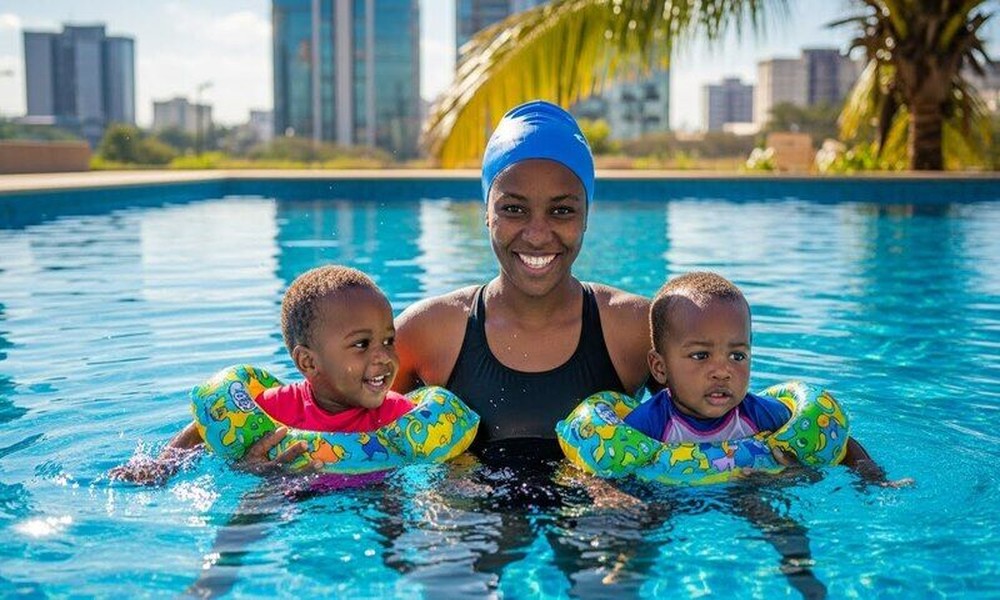
Shy children often get labelled in simple ways. Quiet. Reserved. Slow to warm up. In swimming, that quietness can look like reluctance. A child might cling to the wall, avoid eye contact, or refuse to put their face in the water. Parents worry they are falling behind, when the truth is usually simpler. The child needs the right environment to feel safe. I have seen a positive trend growing in local swim teaching over the past couple of years – more programmes are shaping lessons around confidence, predictability, and low pressure progress. It is helping shy kids settle faster than many parents expect. If you are searching for childrens swimming lessons and want an example of this confidence first approach, start here: childrens swimming lessons.
I’ve spent years observing how different swim schools handle nervous beginners, and I’m picky about who I recommend. I look for calm teachers, clear structure, and lessons that respect the child’s pace without leaving them stuck. The school behind the site I’ve linked above is one I’m comfortable recommending because the teaching style and lesson structure are built around steady confidence building, which is exactly what shy children need.
Shy does not mean scared, but it often looks similar
Shy children and fearful children can behave in similar ways. Both might hesitate at the pool edge. Both might refuse goggles. Both might avoid deep water. The difference is what is happening underneath.
A shy child often feels overwhelmed by attention. They may dislike being watched. They might struggle with loud environments. They might need longer to trust an instructor. They may also be perfectly comfortable in the water once they settle.
This matters because the right response is not to push harder. The right response is to make the environment feel predictable and safe. When you do that, shy kids often progress quickly.
The trend that is making the difference
The most helpful local pool trend I’m seeing is not “faster lessons” or “intensive courses”. It is quieter, and it works.
It is the move towards:
- Smaller groups where possible
- Calm, consistent lesson routines
- Time slots that reduce noise and chaos
- Confidence led teaching that starts with breathing and floating
- Instructors who use clear, simple cues and steady pacing
This trend recognises something important. Shy children often have the ability, but not the comfort. Once comfort arrives, learning speeds up.
Why pool environments can overwhelm shy children
Pools are sensory heavy places. Even confident children can find them intense. For shy children, the intensity can be enough to block learning.
Common triggers include:
- Echoing noise and whistles
- Busy poolside movement
- Bright lighting and reflections on the water
- The feel of cold air on poolside
- Changing rooms that feel rushed and crowded
- The sensation of water on the face
If a child feels overloaded, they tighten their body and hold their breath. That tension makes swimming feel harder. The child then avoids the water, which reinforces the idea that the pool is a stressful place.
The solution is not to “toughen them up”. The solution is to lower stress so the child can actually learn.
Why shy children often respond well to structure
Shy children usually love predictability. They feel calmer when they know what happens next. A well structured swimming lesson provides that.
A consistent routine often looks like:
- A calm start and familiar warm up
- A few repeated confidence activities
- One new skill introduced gently
- Repetition without pressure
- A steady finish with something the child can do well
That pattern reduces uncertainty. Reduced uncertainty reduces fear responses. The child relaxes. When the child relaxes, breathing improves. When breathing improves, floating and movement become easier.
This is why structured swimming lessons often work better than casual pool time for shy children. Casual pool time can be unpredictable, noisy, and full of mixed signals. Lessons can be calm and clear.
The quiet time slot effect
One of the simplest ways local swim programmes have improved outcomes for shy children is by using quieter lesson times. This does not mean silent pools – pools are never silent. It means fewer competing sounds and distractions.
Quieter time slots often have:
- Fewer families rushing in and out
- Less crowd noise
- More space for children to focus
- Instructors who can speak without shouting
- A calmer vibe in the changing rooms
Parents sometimes underestimate how much this matters. A shy child who struggles at a busy Saturday session may thrive in a calmer slot during the week.
If you can choose between lesson times, this is worth considering. It is not always possible, but when it is, it often helps.
Smaller groups help shy children feel less exposed
Shy children often fear being watched. In a large group, they feel like all eyes are on them, even when that is not true. They may freeze and avoid trying new skills.
Smaller groups reduce that pressure. The child gets more quiet attention and less waiting time. They also get more turns, which builds familiarity faster.
It also allows the instructor to spot early signs of tension, such as breath holding, stiff posture, or refusal to submerge. Catching these signs early prevents panic later.
When parents search for swimming lessons near me, they often focus on location. That matters, but group size and lesson structure matter just as much for shy kids.
Why instructor consistency matters more for shy children
Many children benefit from seeing the same teacher each week. Shy children benefit even more.
Trust is everything. A shy child may take several weeks to fully trust an instructor. If instructors change often, that trust process resets. The child may look like they are not improving, when the truth is they are spending energy on adapting rather than learning.
Consistent instructors help shy children:
- Settle faster at the start of lessons
- Accept reassurance more easily
- Try tasks without fear of judgement
- Build a steady relationship that supports progress
This is one reason I like schools that emphasise clear teaching routines and steady progression. It makes the whole environment safer for children who need time.
The confidence ladder shy kids actually climb
Shy children rarely jump straight to swimming distances. They climb a confidence ladder. It looks small from the outside, but it is real progress.
Early confidence steps often include:
- Walking into the pool area calmly
- Standing on the steps without clinging
- Letting water touch the face without distress
- Blowing bubbles once, then twice, then comfortably
- Floating with support without stiffening
- Pushing off and gliding for a moment
Each step teaches the child one key message – “I can cope.”
Once that message is established, progress accelerates.
Why praising bravery can backfire
Parents often say “Be brave” to shy children. It is well meant. But it can add pressure.
“Be brave” implies the child is failing if they are scared. It also frames the pool as something to fear. Shy children often respond better to calm, neutral language.
Better phrases include:
- “Take your time”
- “Small steps are fine”
- “You’re safe”
- “Try it once, then we’ll pause”
- “You can stop and reset”
These phrases support control. Control supports confidence.
The difference between shy and stuck
Some parents worry their child is “stuck”. Often they are not stuck. They are consolidating.
A shy child may look like they are repeating the same work for weeks. In reality, they are building comfort. Comfort is invisible until it clicks.
This is why it helps to measure progress over months, not weeks. You may notice that the child enters the pool without tears. That is progress. You may notice that they recover after a splash more quickly. That is progress. You may notice they stop gripping the wall. That is progress.
Distance often comes later, and it often comes suddenly once confidence is stable.
Why shy kids can become excellent swimmers
Shy children often become very strong swimmers once they settle. They tend to listen closely. They tend to copy carefully. They often focus deeply when they feel safe.
Once they trust the environment, they can develop clean technique because they are not rushing. They are not performing. They are learning.
This is one reason I find it unhelpful when people assume shy children are “behind”. They are often building a stronger base. Their progress just looks different at the start.
What to look for when choosing lessons for a shy child
Parents often ask what they should look for in swimming lessons in Leeds or any other area when their child is shy. I keep it simple. Look for the things that reduce pressure and build routine.
Strong signs include:
- The programme talks about confidence, breathing, and safety early
- Lessons have clear progression rather than random activities
- Instructors use calm voices and simple cues
- The environment feels organised, not chaotic
- Children are not pushed into deep water before they are ready
If you want to see what a structured programme looks like, the lesson breakdown here is worth reading: weekly swim lessons. It gives a sense of pacing and how skills are layered without rushing.
The role of parents in this trend
This trend works best when parents support it in the right way.
The most helpful parent behaviours are calm and consistent:
- Arrive early so the child is not rushed
- Keep pre lesson talk short and positive
- Avoid coaching from poolside
- Praise calm effort rather than performance
- Avoid comparing the child to others
If a shy child feels that swimming is a test, they tighten up. If they feel it is a routine skill they can learn safely, they relax.
Why holidays can be the turning point or the setback
Summer holidays often expose shy children’s confidence. A busy hotel pool can push them backwards if they feel overwhelmed. A quiet holiday pool can help them move forward if it feels relaxed and playful.
The key is not the holiday itself. It is the mood. If the pool time becomes a pressure moment – “Show everyone what you can do” – shy children retreat. If it becomes calm fun with small steps – “Let’s just splash and float” – they often gain confidence.
This is another reason structured lessons matter. They give children tools to cope in new water environments.
A local angle for Leeds families
If you’re based locally, the demand for childrens swimming lessons often rises as summer approaches. Parents start thinking about holidays, camps, and family days out. This is the moment when shy children can benefit most from a calm, structured programme that builds confidence steadily.
For parents specifically searching for swimming lessons in Leeds, you can review the local programme details here: learn to swim in Leeds. The focus on steady progression and confidence building is the kind of approach that shy kids respond to well.
Closing point
Shy children do not need pushing. They need a calm environment, clear routines, and patient teaching that builds trust. The positive trend in local swimming lessons is that more programmes now recognise this and teach confidence first – breathing, floating, recovery, then distance.
When shy children feel safe, they often surprise everyone, including themselves. They become calm swimmers with strong control, not rushed swimmers who panic under pressure. That is the kind of progress that lasts, and it makes every summer water moment safer and more enjoyable.